For partners
Be a guest at your own table.
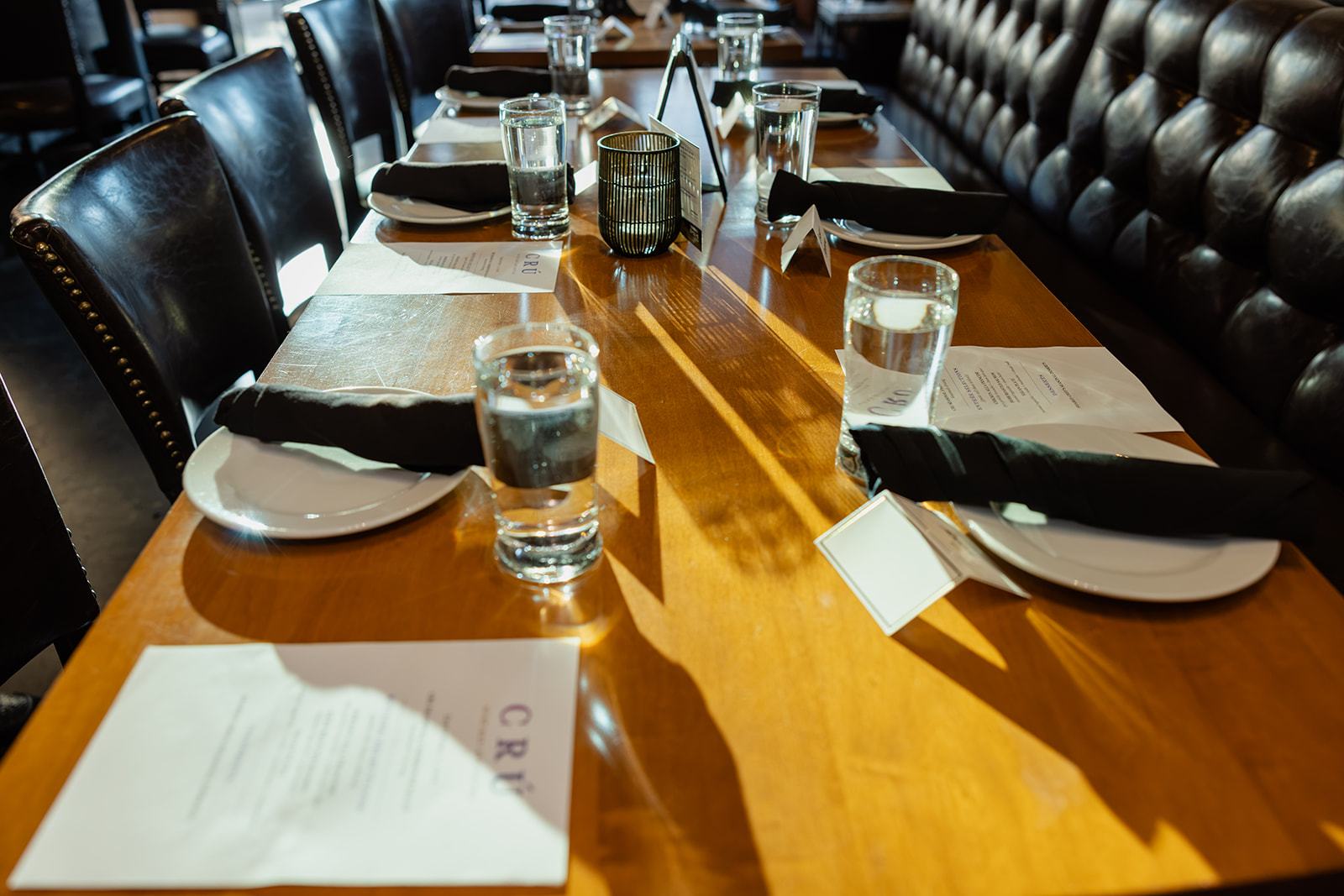
I’m Anna Morgan. I design intentional, curated dinners for twenty of the people you’re trying to reach. I build the profile of who belongs at your table, then I recruit every seat myself. One long table, assigned seats, an honest conversation about hiring. You don’t pitch. You sit down and listen.
The problem with sponsored dinners
You bought a room. You got a table of four.
You have been to the rooms where people say the professional version of what they think. Panels, badge scanners, somebody’s slide deck. You leave with a tote bag and nobody’s phone number.
The good conversation is the one in the parking lot afterward. It is never the one on the agenda. So the whole evening is built around it.
“We’ve all been to those dinners where you’re like, ‘I’m stuck talking to the same four people.’”
Me, on building the Atlanta guest list
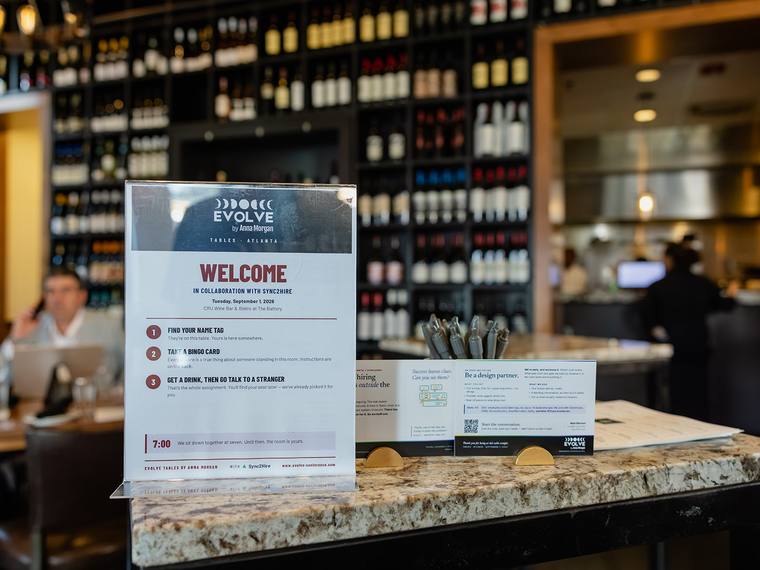
Atlanta, 1 September 2026
What one table took.
Every number below is from the Sync2Hire table. This is the work a partner is buying, and most of it happens before anyone sits down.
20
Seats at one long table, ten a side, every one assigned by hand. I give up my own seat if someone doesn’t show.
42
Days from my first public ask for a partner to the dinner itself.
4
Calls with my partner before the night. Four hours and fourteen minutes on record.
8
Guests I surveyed before dinner, so my partner walked in informed rather than hopeful.
3
Guests I moved mid-meal, each with a card naming who to talk to and what to ask. From October I move five.
1
Partner per table. The room is yours, not shared with three other vendors working it.
The difference
The seating chart is the product.
Assigned seats aren’t a formality here. They’re the mechanism. I read every profile before anyone sits down, and if you’re at the table there’s a written reason you’re beside the person you’re beside.
“Each one of you was pretty much hand selected to be here, and seated with intention, because there’s people that I want you to meet.”
What I told the Atlanta table
How it works
Four mechanics that do the work.
Two to three hours on a weeknight. Every step below is designed, including the ones that look casual.
- 1
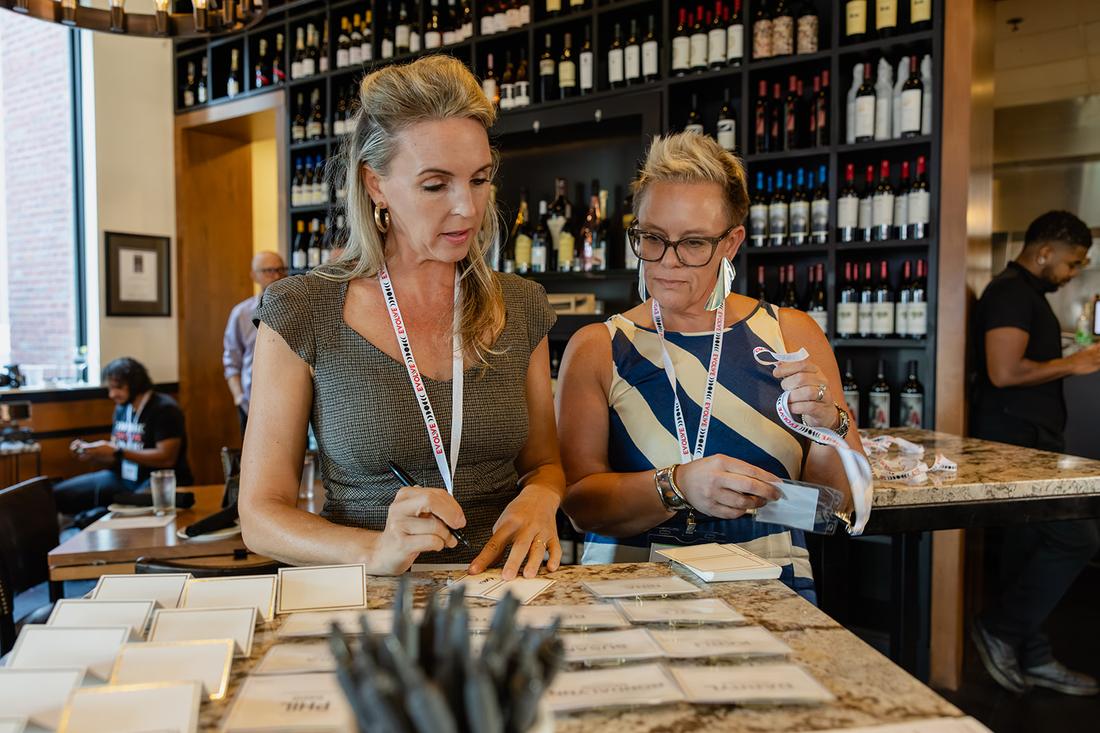
You are invited, and seated, on purpose
About forty personal approaches to seat twenty people, then a written reason for every pairing, decided days before the door opens.
- 2
You are given something to do
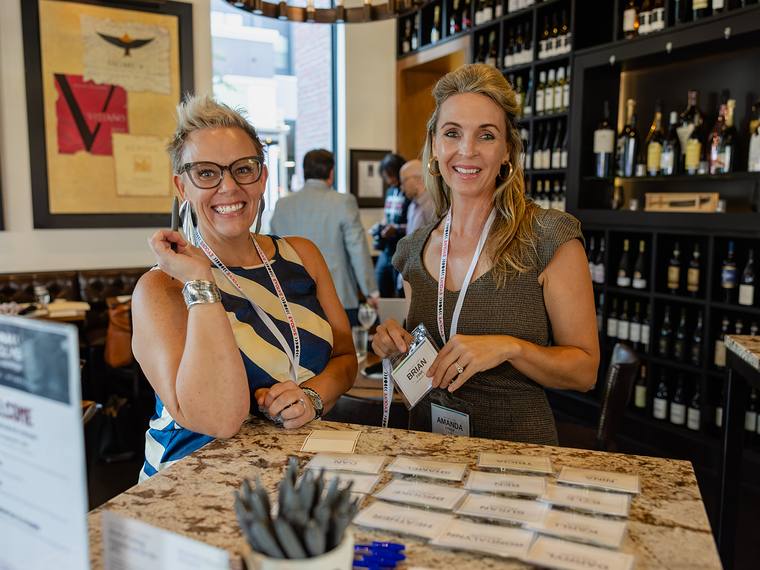
A bingo card at the door, every square a true fact about a real person at the table. Finish it and you’ve met everyone.
- 3
We move you, once
Mid-meal, the Evolve Shuffle. I move five people and hand each one a card naming who to talk to and what to ask. I announce it beforehand so it lands as care rather than a surprise.
- 4
Nobody performs
No go-around, no microphone passed down the table. I come to you.
Before the shuffle
Twenty seats, ten a side, five movers
One side of the table is a fixed bench, so every guest who moves is on the chair side. Nobody has to climb out of a booth in front of the room.
One night, in order
Atlanta · 1 September
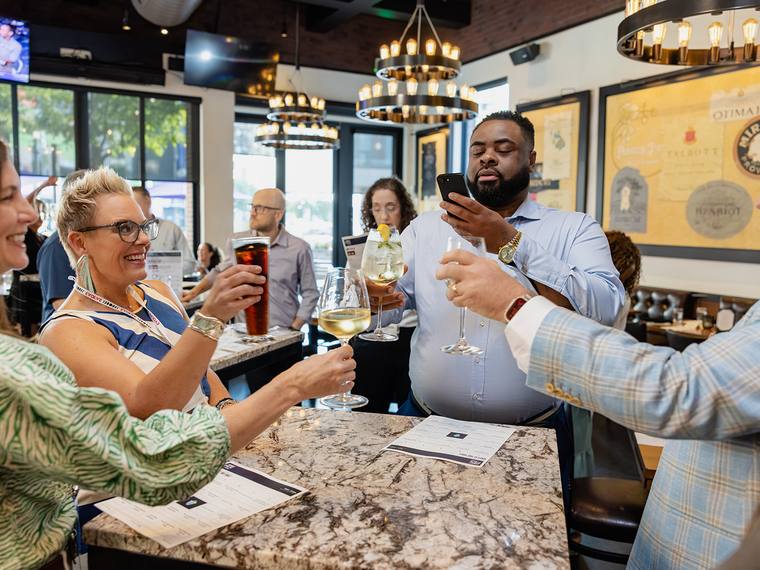
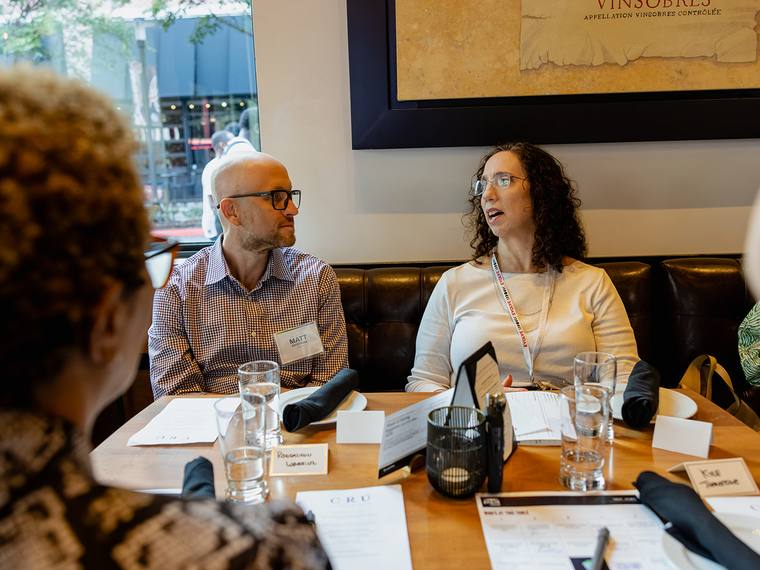
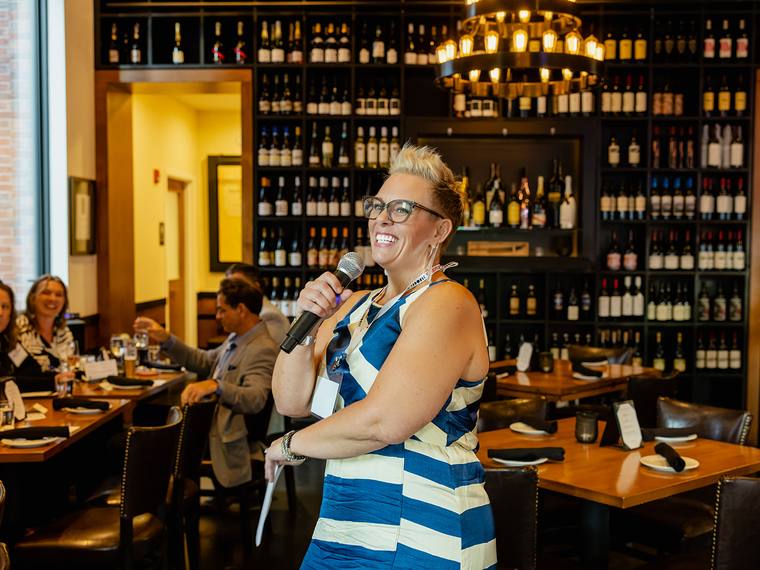
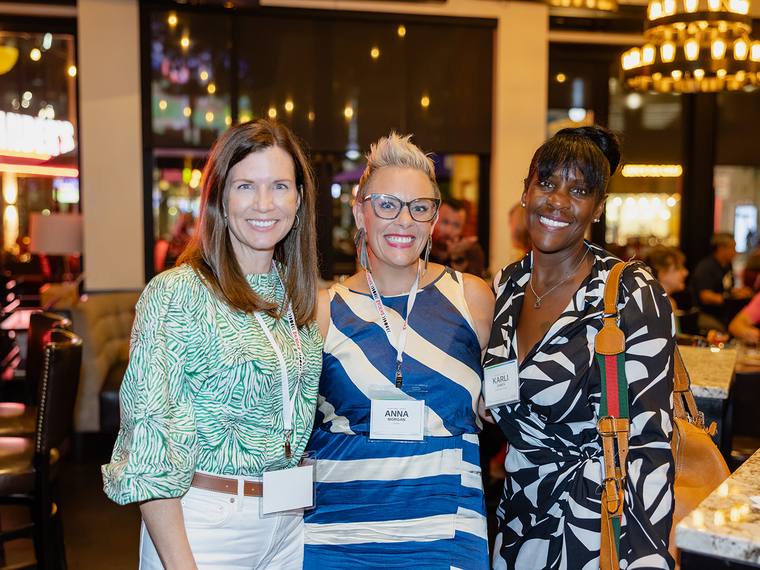
The part nobody else does
You walk in informed.
Three questions go out on the RSVP form and I send you the answers before the dinner, with a read on what they mean for the room. It’s the one part of this a competitor can’t copy without doing the work.
At the Atlanta table it changed a line in my partner’s talk the morning of the dinner. He stood up already knowing what the room was dealing with, which isn’t something a booth or a panel can offer at any price.
“We knew what was broken in that room before anybody sat down.”
What you get
Four minutes and a seat.
Four minutes to introduce yourself, and that is the whole commercial content of the night. The rest of it you spend listening, which is the part you are buying. Dinner is on you. The room goes home with you.
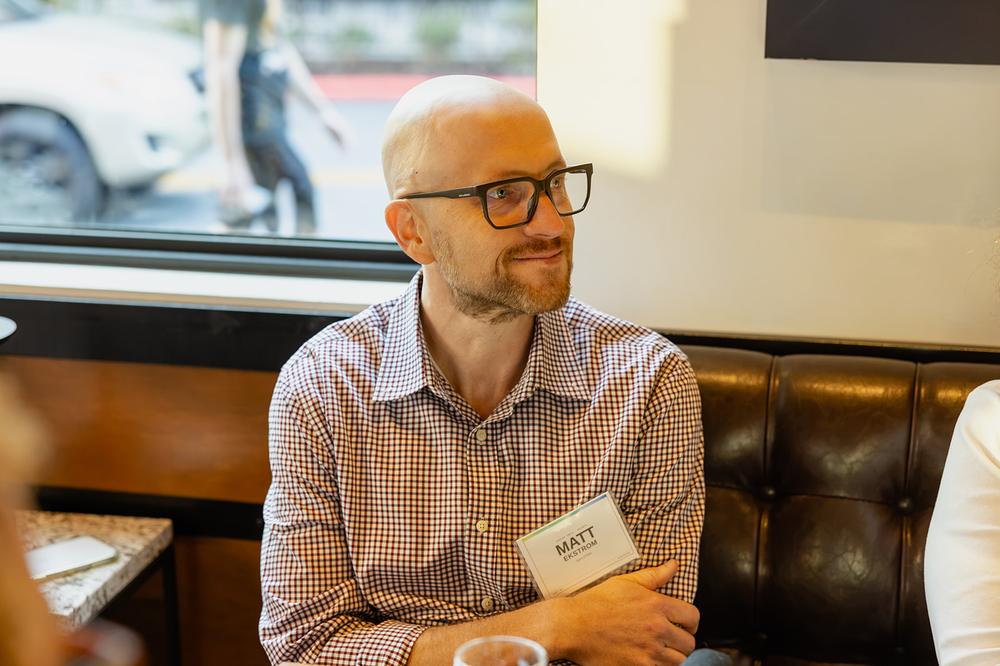
“There’s a lot of people in this space that can put together a decent room, but the white glove experience and all the preparation and the customer service was just awesome.”
Matt Ekstrom · Founder, Sync2Hire · partner, Atlanta table
“I’m not here to sell you anything. What I’m offering is a chance to help us shape this product. All I’m asking for in return is your feedback, your opinion, loudly.”
Matt Ekstrom · closing his four minutes at the table
One night in Atlanta
Things that happened at the table.
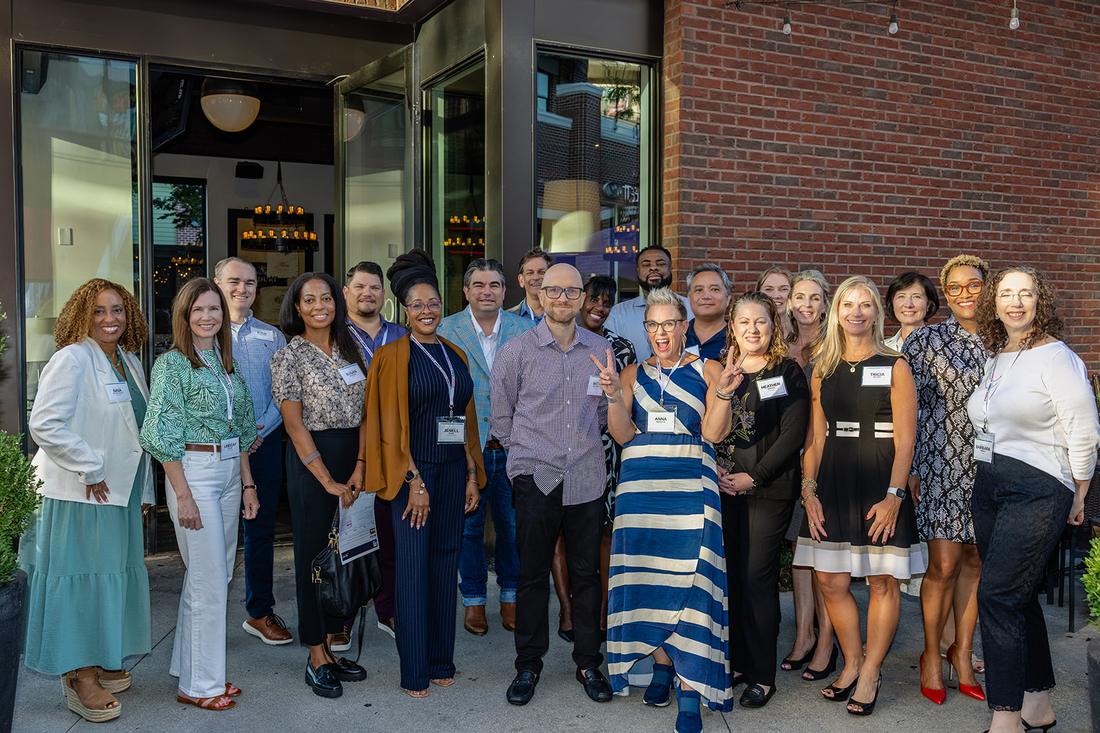
- Two guests who had worked together twenty years ago met again at the welcome table. Neither knew the other was coming.
- One guest had rolled out a single applicant tracking system across ninety countries. The room found out because of a bingo square.
- A guest moving back into a corporate seat was walked across the room to a peer doing the same thing. They had a coffee in the calendar before dessert.
- A guest left with a specific AI tactic to take back to her firm, planted by someone she was seated near.
Take a table
One partner per table.
I run about one a month, and each one has a single partner, so the calendar is the constraint rather than the budget. The conversation starts with thirty minutes.
What the room said
The guests, unprompted.
I like the intentionality.
Brian Fink · The ReWork Group
20 is the magic number.
Guest · asked for the biggest takeaway
“It was wonderful being in a relaxed environment without high pressure sales, and just having conversations with others in the same industry.”
Guest · post-event survey
“Tonight in particular, it was an opportunity to connect with talent leadership, HR professionals, and folks who understand software and AI elements that impact the industry. So many more ideas that are now bouncing around.”
Lindsay Fluke · Pinnacle Search
4.6
Average rating out of five from post-event respondents.
10/10
Would recommend an Evolve Table. Every respondent.
5/5
Felt comfortable participating, and all five said they would come again.
From the post-event survey after Evolve Table Atlanta, September 2026. Five of twenty-one guests responded.
Who is at the table
Recruited, not invited.
Heads of talent acquisition and HR. Talent ops and rec ops leaders. People running hiring inside ten-thousand-person companies, and people building a first people strategy inside a startup. Agency founders, a few consultants. Twenty, chosen so the conversation has somewhere to go.
“I had to force myself to step out of my normal Atlanta community and really do the same strategies that I would do in recruiting.”
Me, on building the Atlanta guest list
Before you ask
Questions I get asked.
Do we get to present?
You get four minutes to introduce yourself, and that’s the whole commercial content of the night. No deck. The partner who did it best opened with “I’ve never done your job” and closed with an offer rather than a pitch.
What does it cost?
I’ll give you the number on the call, once I know the city and the size of room you want. What I can tell you now is which budget it comes out of. This is a booth-budget decision, not a party-budget one. If you’re weighing it against a conference sponsorship, you’re weighing it against the right thing. Guests pay nothing.
Why not just buy a booth?
At a booth you meet people on their way somewhere else. Here you get an evening beside a Head of Talent who will tell you what’s broken, because nobody in the room is selling to her. One buys reach. The other buys twenty relationships and their contact details.
Can you guarantee twenty people?
No, and that’s deliberate. Guaranteeing a number is how rooms end up stuffed with whoever said yes. Twenty is a cap, not a target, and I’ll give up my own seat before I fill one badly. What I guarantee is how every seat gets chosen.
Do we choose the guest list?
No, and that’s the part you’re paying for. I learn who you’re trying to reach, build the profile of who belongs at your table, then source, screen and seat every guest myself.
What do we get after the night?
The room. Every guest agrees at RSVP that their details come to you, so you leave with names, titles, companies and contacts for all twenty, permissioned rather than scraped. What was said at the table stays there. Who was at it is yours.
Where do tables run?
Atlanta and Nashville are home, so there’s no travel to cover. Anywhere else on request, including alongside a conference you already sponsor. About one table a month.
Who I am
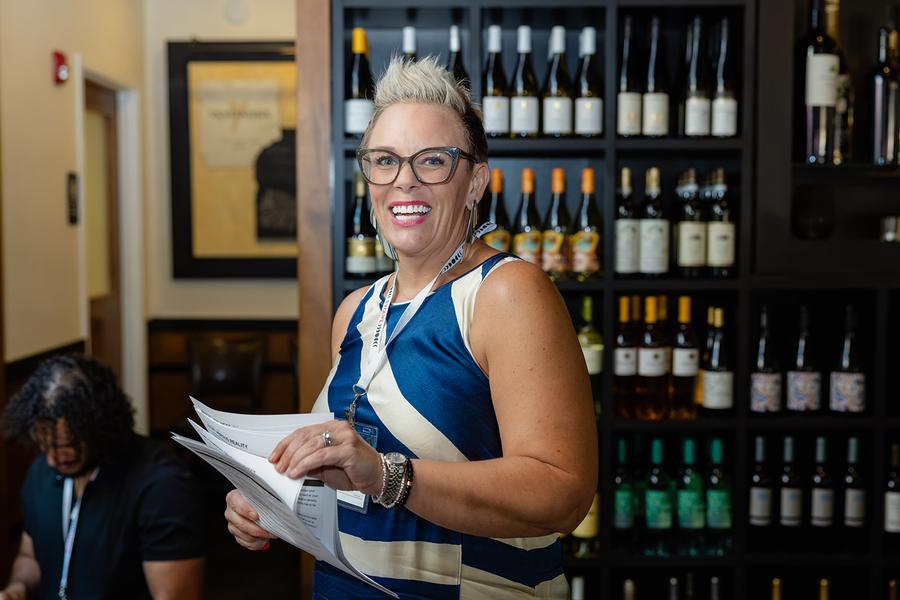
Anna Morgan
I’ve hosted two flagship Evolve conferences, I run the Evolve podcast and a speaker learning library, and I’m building Evolve Tables with my sister and business partner, Amanda. I’m deliberately stepping back from large in-person events until fall 2027. Until then, the tables are the room.
Let’s talk about your table.
Thirty minutes to walk through who you’re trying to reach, the city, and what the night would need to be worth it to you. I’ll tell you on the call whether that room is one I can design, and when.
One long table. One honest conversation.
One partner per table
Book 30 minutes with me